Real Estate
Work underway to bring major upgrades to Golden Valley city buildings
By Marcus Chen
Advertisement · Why this ad?
Katherine oversees editorial operations across all six brands. Before joining The Meridan Group, she spent 14 years at the Minneapolis Star Tribune, where she led the metro desk through its digital transformation. She holds a Master's in Journalism from Northwestern's Medill School.
More from Katherine →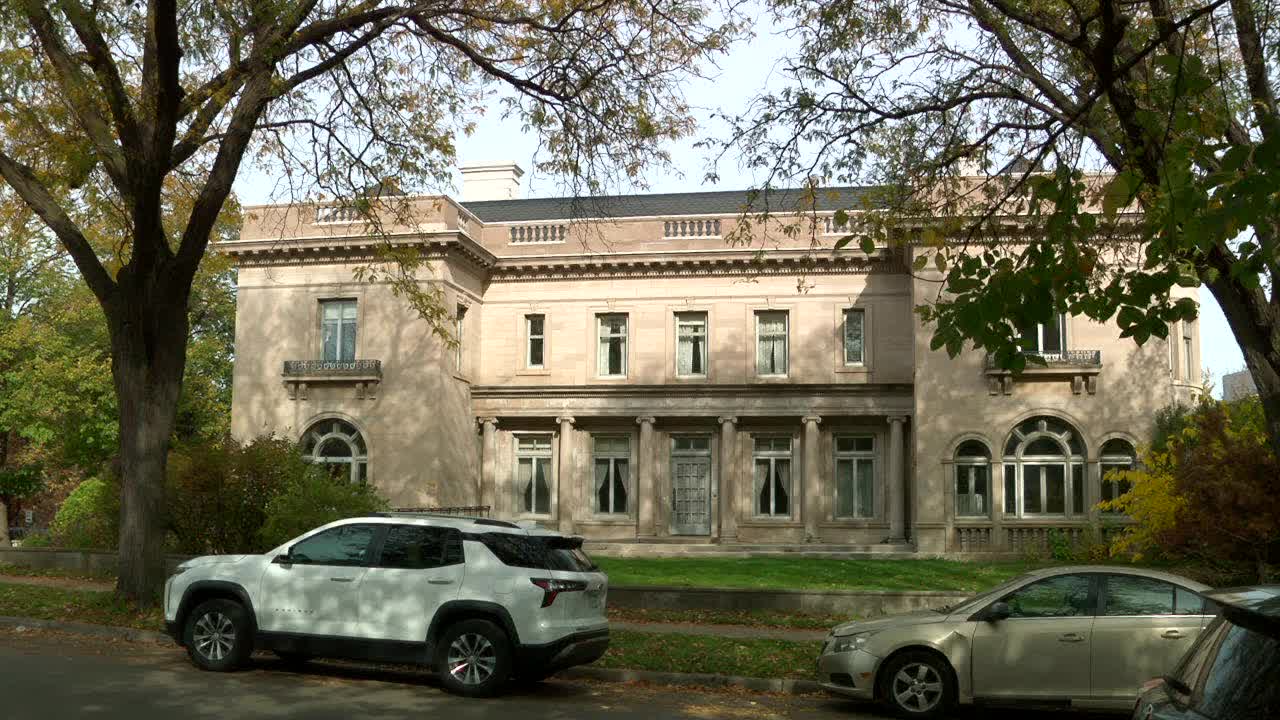
On a quiet street in Minneapolis, the historic Gale Mansion stands as a silent witness to a story of ambition, community service, and now, financial turmoil. Once purchased for $2.6 million by Somali Community Resettlement Services in 2022, the mansion’s recent foreclosure proceedings mark a stark turn in its narrative. The looming auction, expected before year’s end, raises questions about the organization’s current status and the broader implications for the community it aimed to serve.
The Gale Mansion, a distinguished historic property on Stevens Avenue, was acquired by Somali Community Resettlement Services amid a period of rapid growth and increasing influence within the local Somali and immigrant communities. The mansion, built in the early 20th century, has long been a symbol of Minneapolis’s rich architectural history and its diverse cultural fabric. The nonprofit, founded in 1999 to assist immigrant populations near Rochester, had seen its revenues swell from under half a million dollars in 2019 to over $4.1 million in 2021, largely through government grants and public funding designed to support refugee resettlement and community integration programs. Its plan to establish the mansion as a community hub appeared promising, promising a new chapter for the organization and the neighborhood.
However, recent public records reveal a dramatic shift. The nonprofit’s financial health has deteriorated, with reports indicating zero employees and a suspension of its website, replaced now with a message of “account suspended.” Meanwhile, the mortgage on the Gale Mansion and a second property in New Hope—initially taken out in 2024—has ballooned to approximately $1.6 million, and foreclosure proceedings are underway. The property’s fate hangs in the balance as the auction could occur as soon as this year, threatening to erase the organization’s physical footprint in Minneapolis.
The Gale Mansion’s story is more than just a tale of financial distress; it reflects broader issues facing immigrant and refugee organizations across Minnesota. Minneapolis, home to one of the largest Somali communities in the United States, has seen significant investment in cultural centers, mosques, and community service organizations aimed at fostering integration and cultural preservation. The mansion’s foreclosure raises concerns about the stability of these vital community anchors, especially amid ongoing economic challenges and federal investigations into related organizations.
Many local residents and community leaders view the mansion as a symbol of hope and resilience. Its potential sale at auction could mean the loss of a historic site that once served as a gathering place for cultural celebrations, educational workshops, and community meetings. For Somali families and other immigrant groups, the mansion represented a tangible link to their heritage and a space for communal support. Its uncertain future prompts a community-wide reflection on the importance of transparency, accountability, and sustainable funding for organizations that serve vulnerable populations.
Residents and community leaders are watching the saga unfold with concern. The nonprofit’s sudden disappearance from public view, coupled with the foreclosure, leaves many questioning whether the organization can continue its mission. Former clients and volunteers in Faribault expressed uncertainty about the organization’s operations, with one volunteer stating, “We still do what we normally do, but I don’t know for how much longer.”
Adding to the complexity, Somali Community Resettlement Services was linked to the federal investigation into Feeding Our Future, a large-scale food relief fraud scheme. Court records show the nonprofit sponsored food sites that falsely claimed to deliver meals to children under COVID relief programs. Although no charges have been filed against staff, the association has cast a shadow of doubt over its legitimacy and accountability. The withdrawal of legislative bills intended to funnel over $6 million to the organization further underscores the community’s concern about its stability and integrity.
Abdullah Sharif Hared, the longtime executive director of Somali Community Resettlement Services, has been a prominent figure in the local Somali community for over a decade. Known for his efforts in advocating for refugee rights and cultural preservation, Hared’s leadership was seen as a stabilizing force until recent revelations. Multiple attempts to reach him for comment have gone unanswered, fueling speculation about the internal state of the organization.
Local community advocates and Somali leaders have begun to voice their concerns publicly. Many emphasize the importance of supporting authentic, faith-based organizations that foster stability and growth. Some community members worry that the foreclosure could lead to a loss of trust in nonprofit organizations, especially those linked to the Somali community, which has faced its share of scrutiny and challenges over the years.
The foreclosure process signals a potential end of the organization’s physical presence in Minneapolis, but questions remain about its ongoing services and community role. The organization’s offices in both Minneapolis and Faribault are either closed or minimally staffed, and attempts to contact its leadership have gone unanswered. The Gale Mansion, a symbol of community hope, now faces an uncertain future, with local officials and residents wondering what will become of the historic site.
City officials have indicated that the former funeral home in New Hope, another property linked to Somali Community Resettlement Services, was slated for conversion into a grocery store, deli, and adult daycare. However, the project never materialized, and the property remains vacant. The current mortgage debt on both properties, combined with the foreclosure, points to a broader challenge of sustaining community organizations amid financial and legal pressures.
Community leaders are now calling for increased oversight and support for local nonprofits, especially those serving immigrant populations. They emphasize the need for transparency in funding and operations, as well as stronger partnerships between government agencies and community organizations to prevent similar situations in the future. Local nonprofits and faith-based groups are stepping up to fill the void, offering alternative spaces for cultural and social activities.
Looking forward, community advocates emphasize the importance of supporting authentic, faith-based organizations that foster stability and growth. As families and local leaders grapple with the fallout, there is a renewed call for transparency, accountability, and renewed commitment to the values that underpin strong, resilient communities. The story of the Gale Mansion serves as a reminder of the vital need for diligent oversight and the enduring importance of faith, family, and community ties in building a better future for all.
By Marcus Chen

By Marcus Chen

By Marcus Chen
By Marcus Chen